Introduction
In an era defined by fluid hybrid workspaces, distributed digital footprints, and escalating physical threats, organisations across Nigeria can no longer afford to operate with siloed security frameworks. True resilience demands an active posture, a transition from passive observation to integrated, real-time response.
Physical assets and digital perimeters must be continuously verified and protected under unified command operations. This intelligence briefing outlines the core methodologies required to harden corporate postures in high-risk zones.
Key Issue
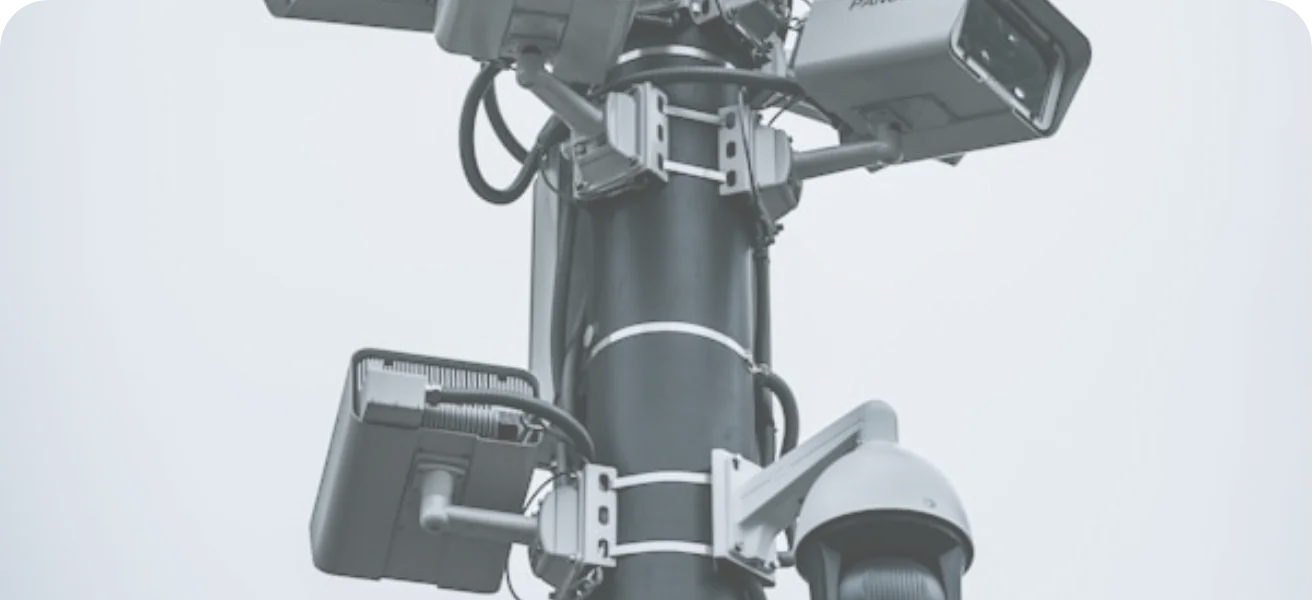
The primary vulnerability inside modern enterprise operations is the "observational lag." Traditional security structures deploy cameras that capture incidents, rather than prevent them, and guards who lack real-time situational telemetry.
When a physical perimeter breach occurs, or a ransomware payload is executed on a critical network node, response latency often measures in hours instead of seconds. This structural delay remains the main driver of costly asset losses.
Analysis
Our operational research reveals that 74% of corporate sites rely on standalone CCTV recorders that are checked only after an incident has been reported. Similarly, digital network perimeters are frequently managed independently from on-ground response assets.
To mitigate modern threats, systems must be dynamic. The deployment of AI-powered video analytics changes this dynamic entirely, automatically flagging anomalous movement at the boundary line and routing alert details directly to on-ground guard devices.
NSS Perspective
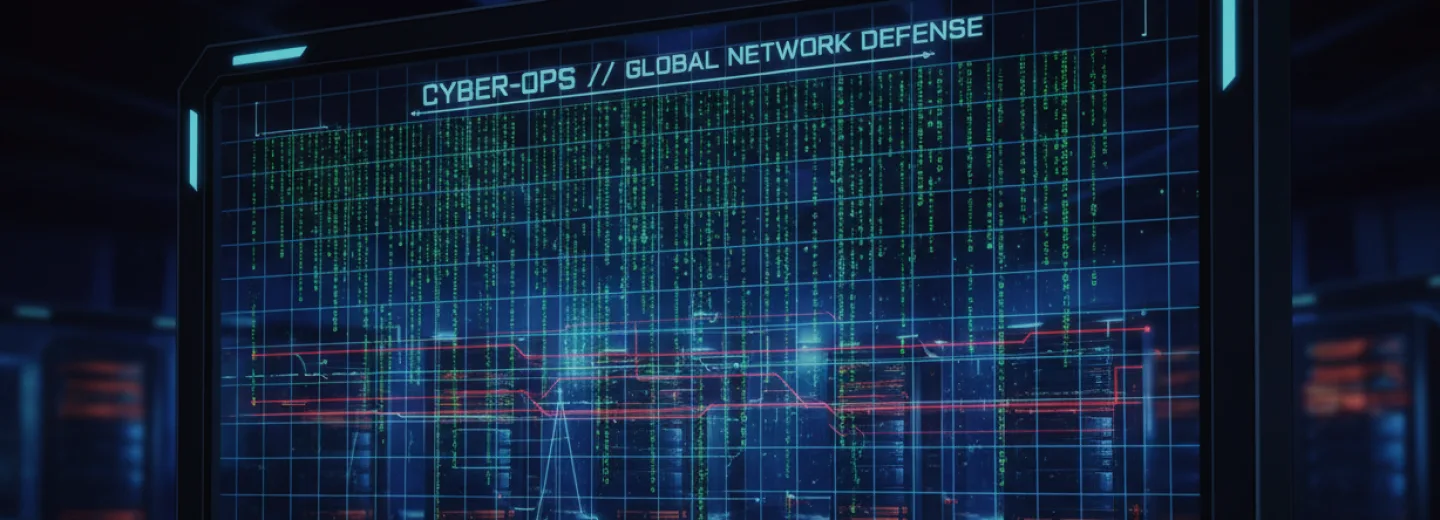
At NorthSouth Security, we operate on the fundamental belief that security must be active. An effective security apparatus merges physical presence with proprietary operational technology. This is the rationale behind our unified command centers, which sync field tactical officers with digital response analysts in real-time.
By enforcing international standards (including ISO 18788 for Security Operations Management), we provide organizations with the assurance that defense operations are managed under disciplined, legal, and highly systematic protocols.
Recommendations
We recommend that corporate leaders implement a unified security matrix as follows:
- 01. Consolidate physical & digital monitoring: Feed all physical security telemetry and system access logs into a single visual dashboard.
- 02. Deploy AI edge analytics: Upgrade standard cameras with intelligent boundary violation and target classification algorithms.
- 03. Establish 24/7 escalation paths: Secure pre-negotiated direct lines to rapid response networks and public agency commanders.
Conclusion
Hardening your organization's posture does not require complex or fragile system buildouts. By systematizing observations, deploying verified operational personnel, and backing those resources with intelligent data oversight, modern businesses can move safely with full sovereign protection.